
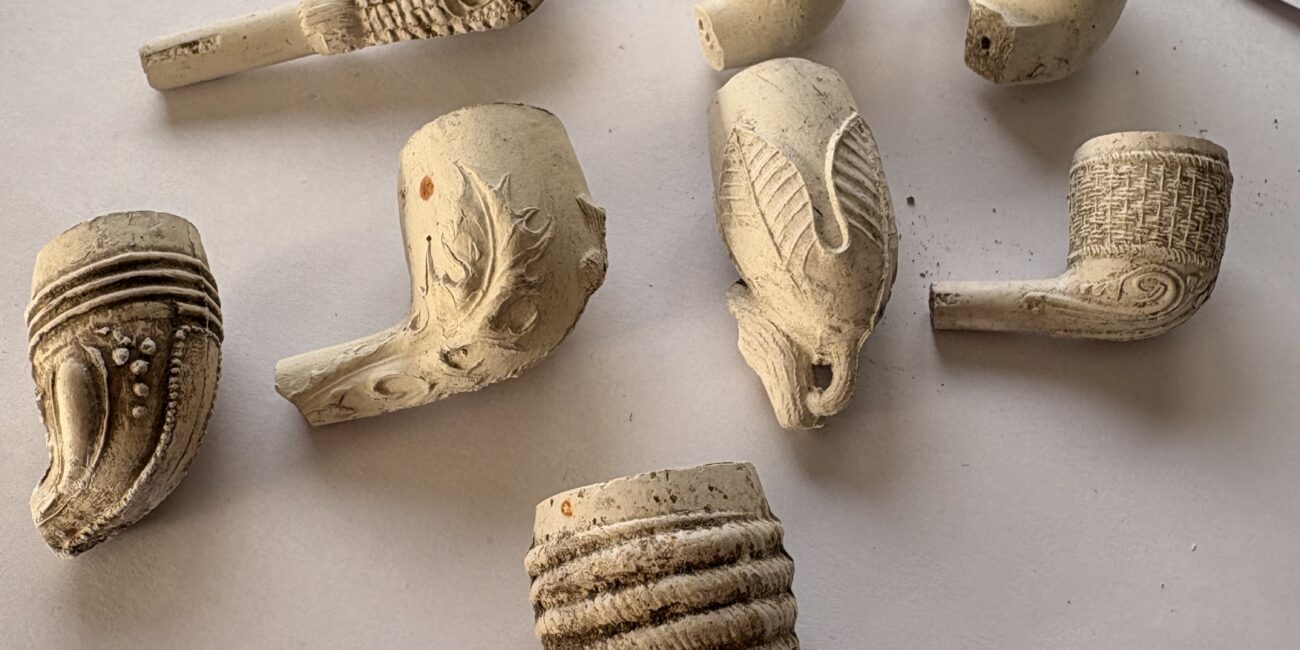
The tobacco pipe is a fascinating intersection of sculpture, ergonomics, and
material science, standing as a physical vessel for one of humanity’s oldest
sensory rituals. From its utilitarian beginnings as a disposable tool to its
elevation as an artisanal collectible, the creation of a smoking pipe requires a
sophisticated understanding of heat, airflow, and structural longevity. When
viewed through the lens of material culture, the transformation of raw minerals
and ancient woods into objects of refined design reveals a rich history of
changing social status and artistic innovation.
Material Masters and the Craft of Shaping Fire
The art of the pipe is fundamentally dictating by its medium, with clay,
meerschaum, and briar each demanding vastly different sculptural techniques.
For centuries, the clay pipe was the undisputed standard of European smoking
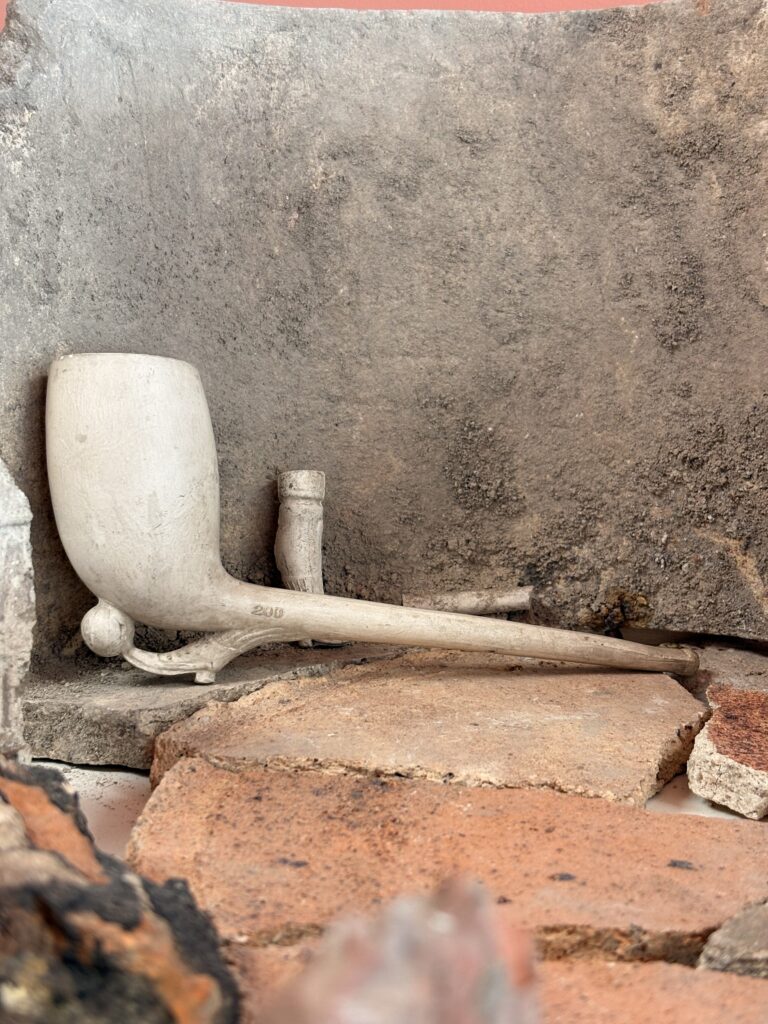
culture. Transforming raw, grey ball clay into a delicate, snow-white instrument is
an endangered heritage craft that relies on iron moulds and astonishing manual
dexterity. An artisan prepares a plastic clay roll, known historically as a dummy,
before threading a long, flexible wire down its narrow stem to create the bore
hole. This fragile assembly is pressed into an oiled two-part metal moulds and
clamped into a vice. A mechanical stopper is brought down to hollow out the
bowl, forcing the soft clay to capture every relief motif engraved on the internal
walls of the moulds. Once air-dried for several days, the pipe is fired in a kiln at
temperatures exceeding one thousand degrees Celsius, emerging as a porous,
pure-white tool ready to deliver unadulterated flavour.
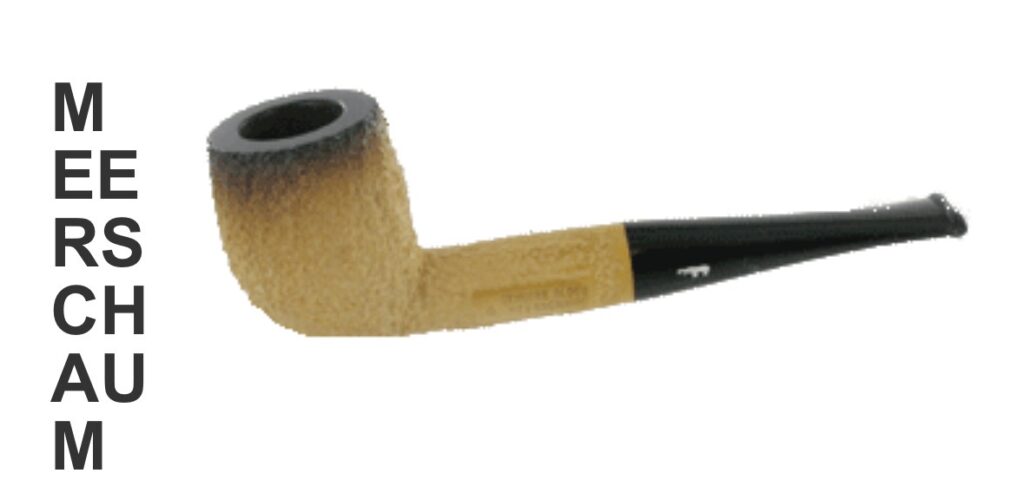
In contrast, the premium pipes of the eighteenth and nineteenth centuries were
carved from meerschaum, a rare, porous sea-mineral harvested predominantly
in Turkey. Carving meerschaum is akin to fine stone sculpture; it is soft enough
to be sculpted with intricate reliefs, yet hardens permanently upon drying. The
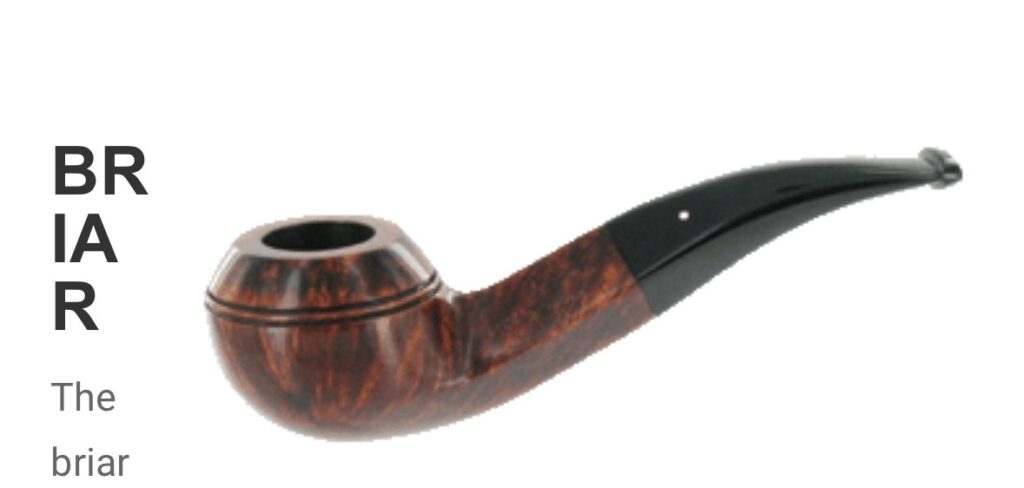
wood-carving tradition reached its pinnacle in the mid-nineteenth century with
the discovery of briar, the root burl of the white heath tree native to the
Mediterranean coast. Briar wood revolutionised pipe design because it is
extraordinarily fire-resistant, highly porous, and features breathtaking, swirling
grain patterns. Shaping a briar pipe requires a balance between mechanical
precision and organic improvisation, as the pipe maker must carefully cross-cut
the wood blocks to maximise the natural grain while drilling internal chambers
that allow air to flow smoothly without causing turbulent moisture.
The Transatlantic Genesis and Democratic Smoke of the Past
The global phenomenon of pipe smoking stems from ancient indigenous
American traditions, where the practice was deeply spiritual, communal, and
diplomatic. European settlers observed Native American cultures smoking
tobacco and a variety of sacred herbs in beautifully carved ceremonial stone
pipes, using the shared smoke to seal vital covenants and treaties. Following the
introduction of tobacco to Europe in the sixteenth century, the practice spread
across the globe with astonishing speed, triggering an immediate and frantic
demand for functional smoking utensils.
Because tobacco was initially an astronomical luxury item reserved for the
wealthy elite during the Elizabethan era, the earliest European clay pipes
featured minuscule bowls designed to conserve every single shred of the
precious leaf. As trade routes expanded and tobacco prices plummeted
throughout the seventeenth and eighteenth centuries, the sizes of pipe bowls
grew proportionately larger.
This democratisation transformed the clay pipe into
a ubiquitous, disposable object of daily working-class life across Great Britain
and Europe. Labourers, dock workers, and tavern patrons would buy a pre-filled
clay pipe alongside a pint of ale, snapping off the tip of the stem for hygiene
before discarding the entire pipe into the hearth when finished. Meanwhile, the
affluent aristocracy distanced themselves from the common clay pipe, choosing
instead to indulge in highly decorative, aristocratic meerschaum pipes carved
with portraits of mythological figures, or transitioning altogether to snuff boxes
and fine cigars.
The Contemporary Resurgence and the Philosophy of Artisanal Craft
In the modern era, the cultural landscape of the pipe has shifted from a common
utilitarian object to a specialised niche within the world of fine craft and
collectable art. The industrial rise of mass-produced alternatives in the mid-
twentieth century altered the trajectory of the pipe, yet it remains a significant
subject for those interested in heritage crafts and functional design. Today, a
dedicated community of artisans and collectors continues to preserve these
traditional techniques, viewing the pipe as a medium for artistic expression
rather than a mere relic of the past.
The contemporary appreciation for these objects often centres on their status as
functional sculpture. Collectors and enthusiasts evaluate the grain variations of a
briar bowl or the intricate carvings of a meerschaum piece with the same critical
eye one might apply to a fine painting or a bespoke timepiece. Independent
workshops across the United Kingdom and Europe are keeping these skills
alive, often blending nineteenth-century methods with modern aesthetic
sensibilities to create unique, one-of-a-kind pieces.
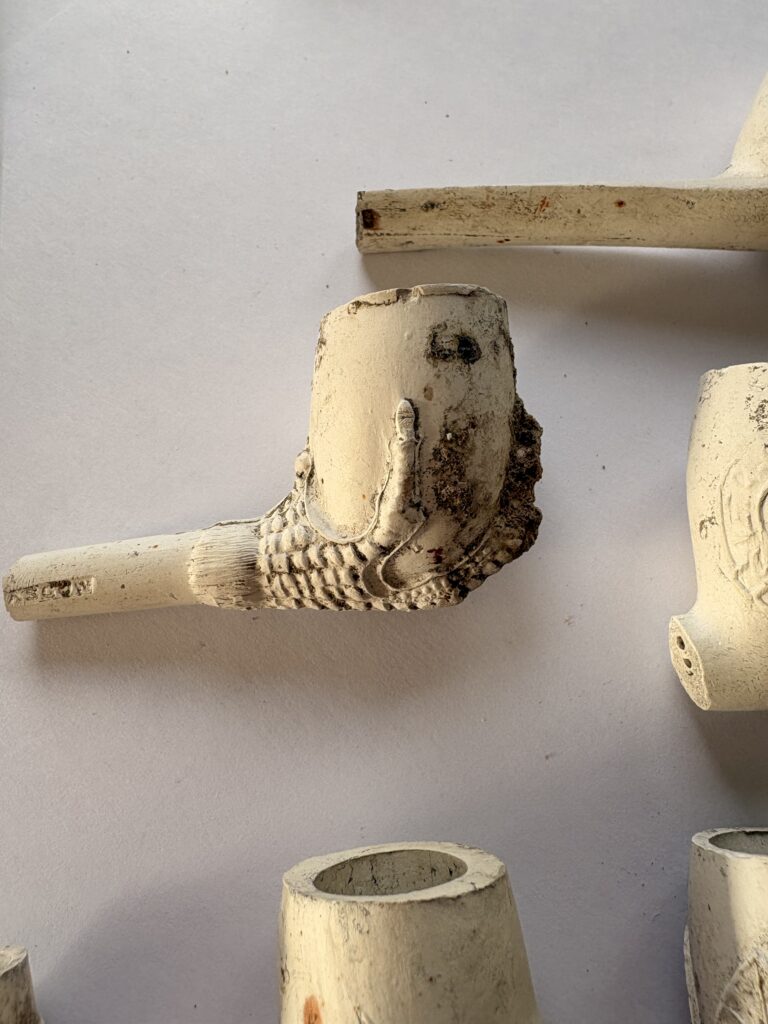
Furthermore, interest in historical clay pipes has seen a resurgence among
archaeologists and historians. These fragile remnants, often found during
*mudlarking expeditions along the banks of the Thames, serve as vital physical
records of social history. By studying the maker’s marks and the evolution of
bowl shapes, researchers can trace the movement of trade and the development
of manufacturing during the Industrial Revolution. This enduring interest ensures
that the art of the pipe remains a relevant and respected discipline within the
broader study of material culture and artisanal history.
By moving away from mass-production, the modern perspective on the pipe
emphasises the skill of the maker and the longevity of the materials. It stands as
a testament to the enduring human desire to imbue everyday objects with
beauty and craftsmanship, bridging the gap between historical necessity and
contemporary art.
*Mudlarking is the act of searching the tidal mud of riverbanks, particularly the River Thames in
London, for items of historical or monetary value.